

QR codes, those square, blocky codes you scan with your iPhone’s camera to load a Web page, have become ubiquitous. So much so that we seldom pause before scanning any QR code we see. But if you think about it, that’s the same as clicking random links in emails or texts, which is a terrible idea from a security perspective. “Quishing” (QR code phishing) isn’t commonplace yet, but some sources say there are thousands of cases per month. To avoid falling victim to a quishing scam, only scan QR codes from trusted sources, try to verify what a code will do once scanned, and evaluate the yellow URL preview Safari provides (when using other browsers, all you see is Open in Browser Name). Finally, always install iOS security updates promptly because they often address vulnerabilities that could be exploited with malicious data.

(Featured image based on an original by iStock.com/B4LLS)
Social Media: QR codes—those blocky squares you scan with your iPhone camera—are an easy way to open a Web page. Unfortunately, scammers also use them to trick people into visiting malicious websites, so read our tip about scanning these codes safely.
Recent Posts

Mar. 06, 2026
How to Find and Silence the Browser Tab That’s Playing Audio
Mar. 06, 2026
Losing Messages or Calls? Look in the Unknown Senders/Callers Filter
Mar. 06, 2026
iOS 26 Can AutoFill Credit Card Details

Mar. 06, 2026
Apple Refreshes Studio Display and Introduces Studio Display XDR

Mar. 06, 2026
Apple’s Focus Is Powerful but Unpredictable

Mar. 06, 2026
Why Cloud Storage Isn’t a Backup

Mar. 06, 2026
Apple Refreshes iPhone, iPad Air, and MacBook Lineups
Mar. 06, 2026
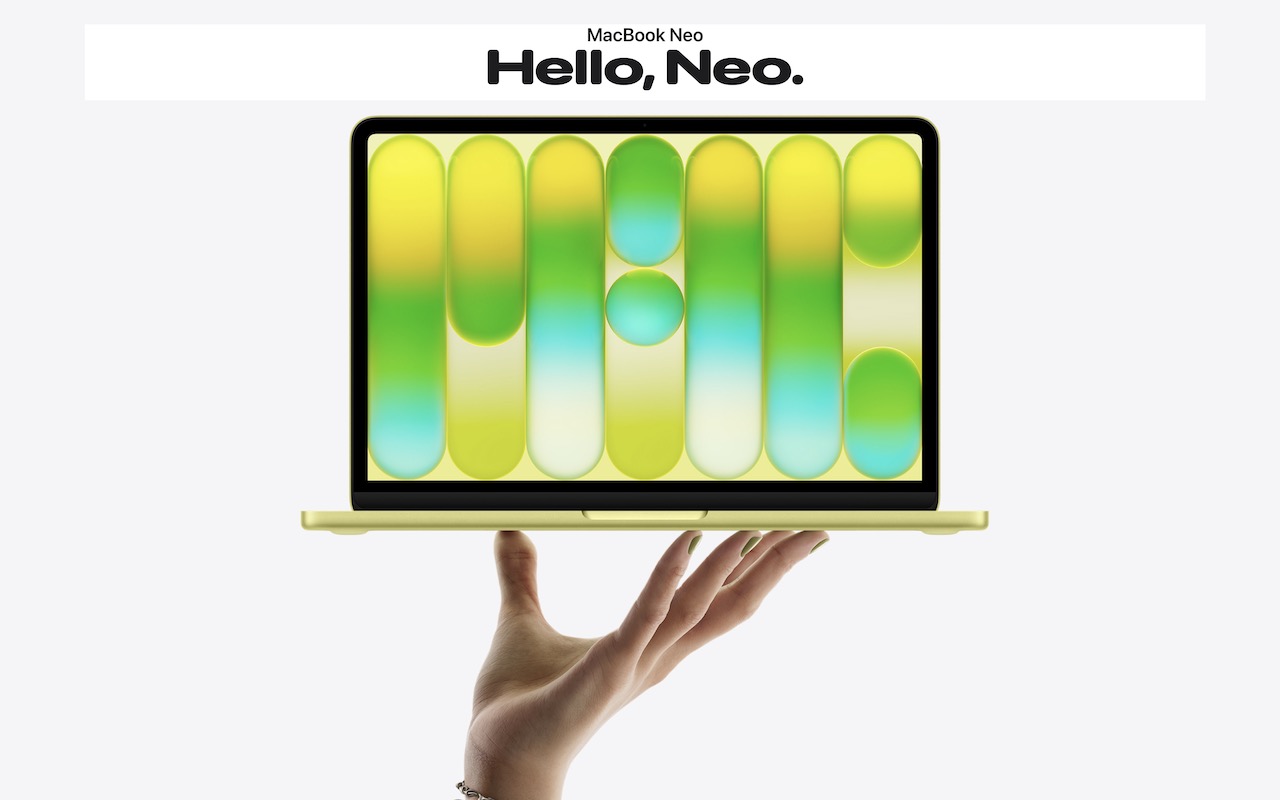
How Does the New MacBook Neo Compare to the MacBook Air?
Mar. 03, 2026
Tech Tips: Backups That Actually Save the Day
Feb. 06, 2026
Customize Folder Colors and Icons in macOS 26 Tahoe
View All Posts